
Home / Investment sales / How we price
How to price a retail property for sale
We price a listing to meet the market, and that matters most when the market is moving. A property that launches above it and then follows the market down with reductions is what we call chasing the market. These are the steps we follow on every listing to avoid it.
Why the launch price matters
Listed above the market
A listing that launches above the market loses its first weeks, which are the weeks when the most buyers are paying attention.
Chasing the market
Buyers see the days on market, the price comes down in steps, and the seller ends up negotiating from a weaker position than a market price would have given them on day one. We call that chasing the market. Pricing to meet the market matters most when the market is moving. A price set where the market was, rather than where it is, is already behind on the day the listing goes live.
Priced to meet the market
The market is a range, not a single number. We set the price inside that range, toward its upper end. Pricing to the market is what creates competition. Competition is what lets us hold the price through due diligence.
Our pricing process, step by step
The same steps apply to a strip center, a shopping center and a single-tenant net lease property. The number comes from each property's own leases and comparable sales, so there is no formula to publish.
Read the leases and the income
We start with the rent roll, income and expenses for the last 12 months, and the leases. A buyer pays for income they can verify, so we verify it first.
Read the property as a retail buyer would
Tenant credit, lease term, rent increases, renewal options and what the landlord still pays all move value. We note each one, because each is a question a buyer will ask.
Gather the comparable sales
We collect recent sales of the same property type and compare them with yours on the points buyers weigh.
Name the buyers likely to compete
We identify who is active for this kind of property today and how they underwrite it. A price works only if someone in that group will pay it.
Put a range in writing
You get a price range we would stand behind, with the comparable sales and the income math beneath it, what we assumed, and what could move the number. We do not inflate it to win the assignment. If the number does not support a sale, we will say so.
Launch priced to meet the market
The asking price is set so the first weeks of marketing produce competition among buyers.
Read the market's answer
In the market assessment phase we analyze the offers and engage the buyers most likely to close. If interest falls short of what we expected, we reassess the market with you and return to the campaign.
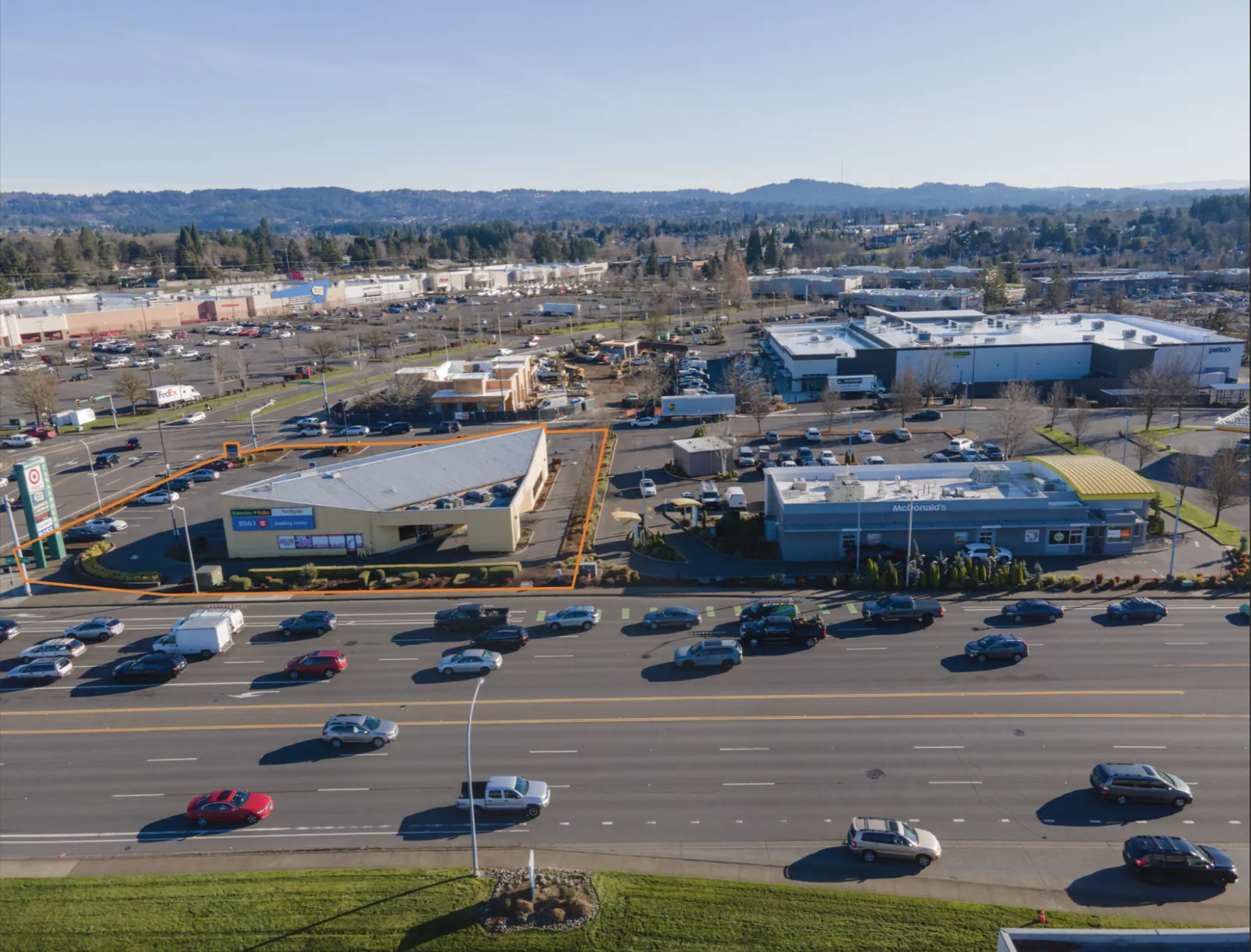
What holding the price looks like
Evergreen Shops @ Tanasbourne
$5,673,220Evergreen Shops @ Tanasbourne in Hillsboro drew multiple offers, sold at the full asking price to an all-cash buyer, and closed 45 days after the contract was signed, with no price renegotiation during due diligence.
Nick or Olivia does this work personally and runs the sale that follows, with a written marketing report every week the property is on the market.
Questions owners ask about pricing
What does a broker opinion of value cost?
There is no charge and no obligation. For a retail property in Oregon, Nick or Olivia prepares it in writing, with the comparable sales and the income math behind the number.
Is a broker opinion of value an appraisal?
No. A broker opinion of value is prepared to help an owner decide on a sale. It is not intended to meet the Uniform Standards of Professional Appraisal Practice. If you need an appraisal, hire a licensed appraiser.
Will you list my property at the price I want?
Before a listing agreement is signed, we show you the comparable sales, the buyers we expect to compete, and the price range we believe the market will pay. We do not inflate that range to win the assignment. Not every listing should be taken.
What happens if the offers come in lower than expected?
We analyze the offers with you and engage the buyers most likely to close. If interest falls short of what we expected, we reassess the market with you and return to the marketing campaign.
What does "chasing the market" mean?
It is our term for pricing a listing above the market at launch and then following the market down with reductions. Pricing to meet the market matters most when the market is moving. A price set where the market was, rather than where it is, is already behind on the day the listing goes live.
What would your retail property sell for today?
A written broker opinion of value, built on current comparable sales and real buyer demand. No charge and no obligation. If the number does not support a sale, we will tell you that.
Prepared and signed by Nick Bushong or Olivia Franssen. A broker opinion of value is not an appraisal.
What the opinion covers
- Recent comparable sales for your property type
- Tenant credit and lease structure
- The buyers active for it today
- A value range we would stand behind